
Top 5 Myths About Paintless Dent Repair Debunked
PR
Understanding Paintless Dent Repair (Without the Myths)
Most people hear “paintless dent repair” and assume dents just magically pop back out.
If only.
Paintless Dent Repair (PDR) is a highly specialized process that reshapes damaged metal while preserving your vehicle’s original factory paint. No fillers. No sanding. No repainting.
When the damage qualifies, it’s often the cleanest and most value-friendly way to repair dents, door dings, creases, and hail damage while keeping your factory finish intact. Industry overviews generally describe PDR as a technique that restores metal without conventional bodywork when the paint remains intact.
But despite becoming more common, there are still a ton of misconceptions about how PDR actually works.
Some people think every dent is a quick fix. Others think bigger dents automatically mean body shop repairs. And some assume if it doesn’t “pop out,” it can’t be fixed.
Let’s clear up the biggest myths.
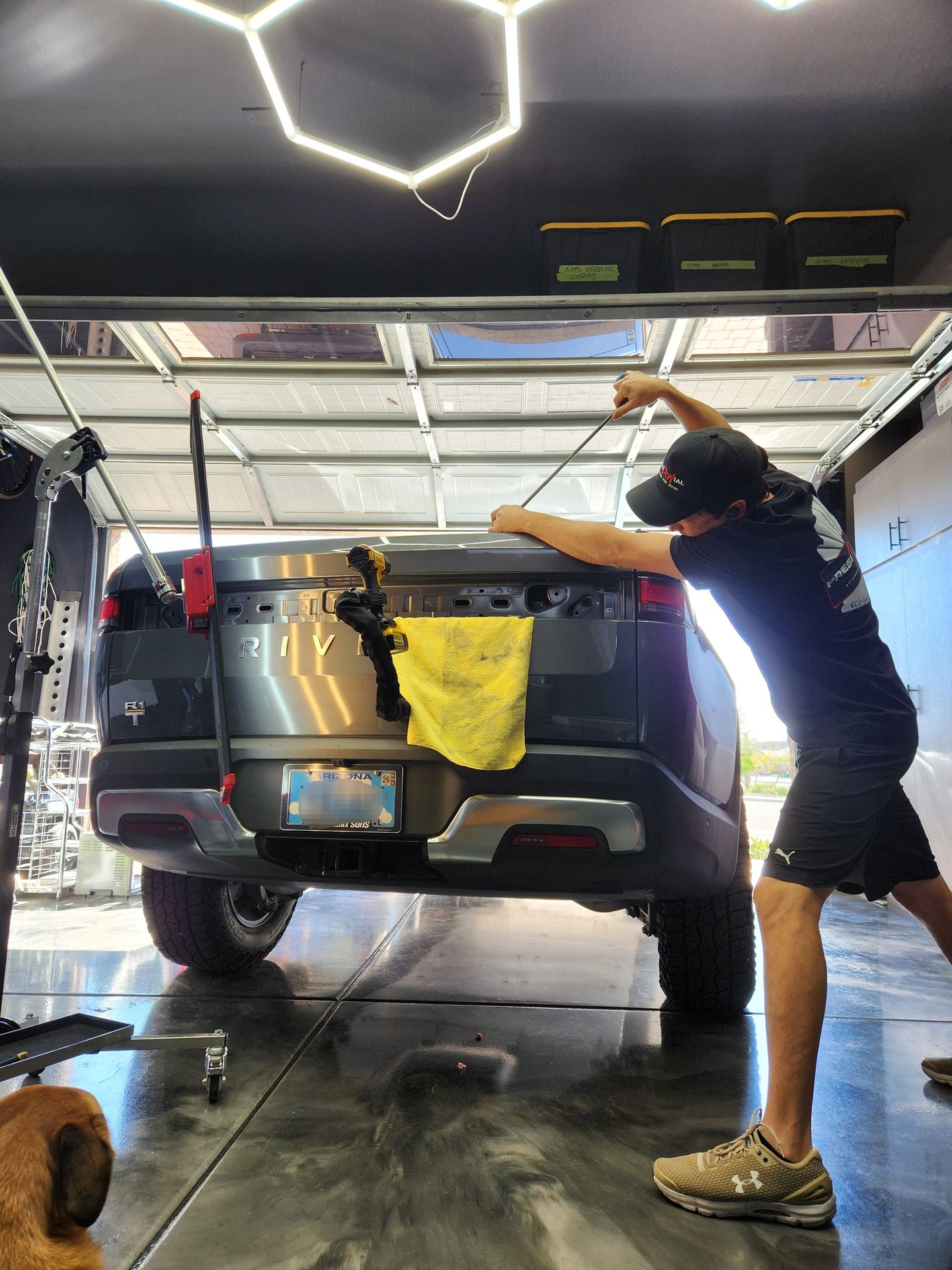
Myth 1: Paintless Dent Repair Is Only Suitable for Small Dents
This is probably one of the biggest misconceptions about PDR.
Yes, small door dings are a perfect fit for paintless dent repair. But size alone doesn’t determine whether a dent can be repaired.
We’ve seen larger dents repair beautifully, while some smaller dents turn out to be far more challenging.
What really matters is things like:
- Where the dent is located
- How deep it is
- Whether it crosses a body line
- How close it is to an edge
- Whether there’s access behind the panel
- What type of metal the panel is made from
A shallow dent in an open, accessible area may be a great candidate for PDR even if it looks intimidating. Meanwhile, a tiny dent in a terrible location with heavy bracing behind it can be far more difficult.
PDR isn’t about measuring dents with a ruler and calling it a day. It’s about evaluating the damage as a whole and determining what’s realistically repairable while preserving the factory finish. Industry sources generally note that PDR suitability depends on paint condition, panel access, and damage characteristics, not just dent size alone.
Myth 2: Paintless Dent Repair Is a DIY Job
We get it. The internet makes everything look easy.
Buy a dent kit online, watch a five-minute video, save some money. Sounds great in theory.
The reality? PDR is one of those trades that looks deceptively simple until you actually try it.
Professional paintless dent repair isn’t about randomly pushing metal until the dent disappears. It requires specialized tools, proper lighting, controlled pressure, and knowing exactly how metal is going to react.
Push too hard and you create high spots. Pull incorrectly and you can make the damage worse. On non-factory paint, glue pulling can even risk peeling the finish right off.
And sometimes the hardest dents aren’t even the biggest ones. A tiny dent in a bad location can be far more difficult than something larger in an accessible area.
Could a DIY kit improve certain very minor dents? Maybe.
Could it also turn a repairable dent into a more expensive problem? Absolutely.
This is one of those “looks easier than it is” trades for a reason.
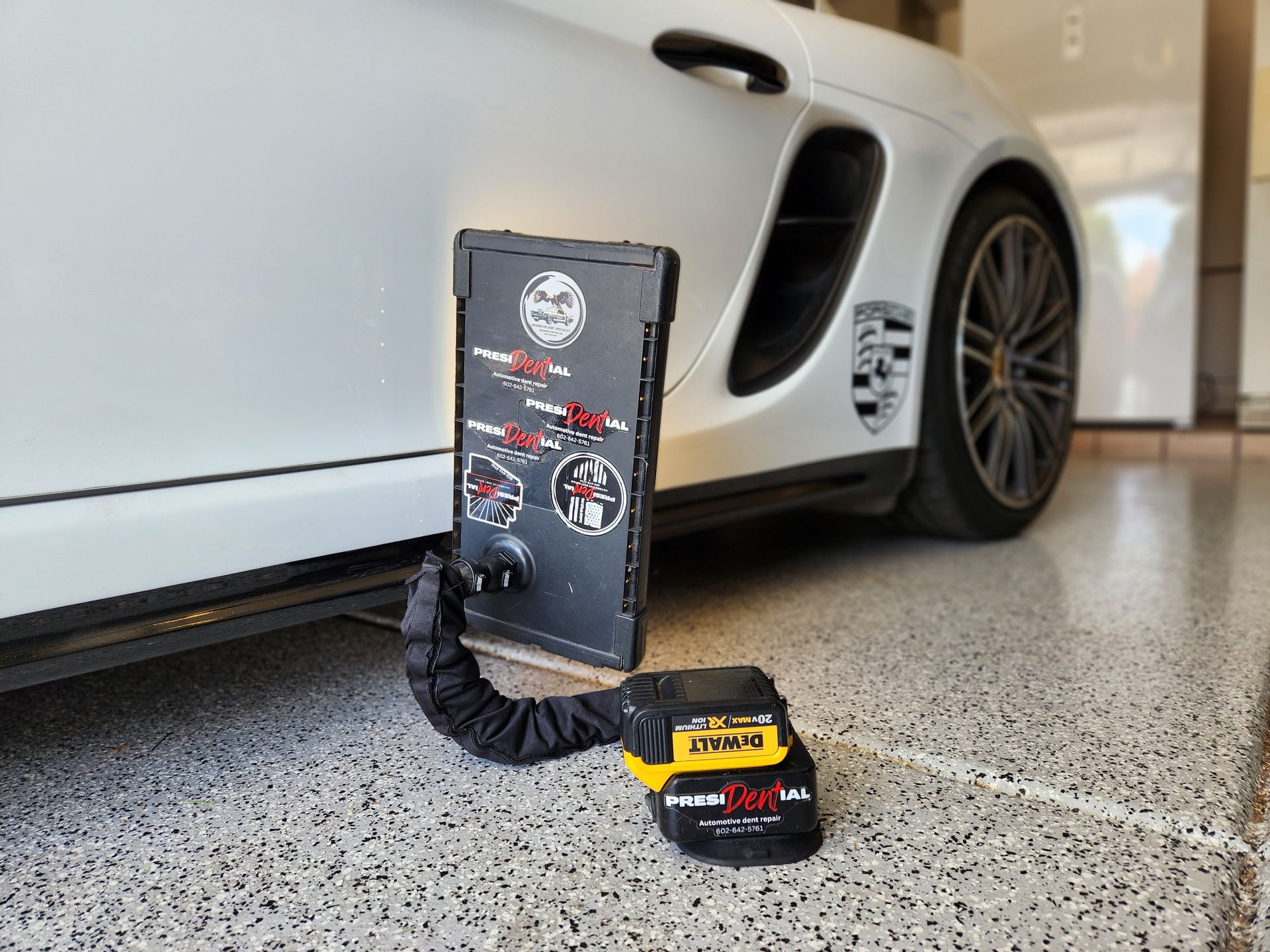
The Reality of Paintless Dent Repair
Myth 3: Paintless Dent Repair Damages the Paint
This one is half myth, half misunderstanding.
The entire goal of paintless dent repair is to preserve your vehicle’s original factory paint. Unlike traditional body repair, there’s no sanding, body filler, or repainting involved when the damage qualifies. That’s one of the biggest advantages of PDR. Major collision repair providers describe PDR similarly, as a method intended to restore dents while preserving intact factory paint.
But let’s be honest. Not every situation is risk-free.
A healthy factory finish usually handles PDR very well. But if the paint is already compromised, the panel has been repainted before, or the damage is in a particularly stressed area, the risk changes.
That’s why professional evaluation matters.
Done properly, PDR is specifically chosen because it helps preserve the original finish and maintain vehicle value. Done carelessly, or attempted in the wrong scenario, problems can happen.
The takeaway? Paint damage isn’t an expected outcome of quality PDR. But knowing when a repair carries higher risk is part of what separates an experienced technician from a DIY guess.
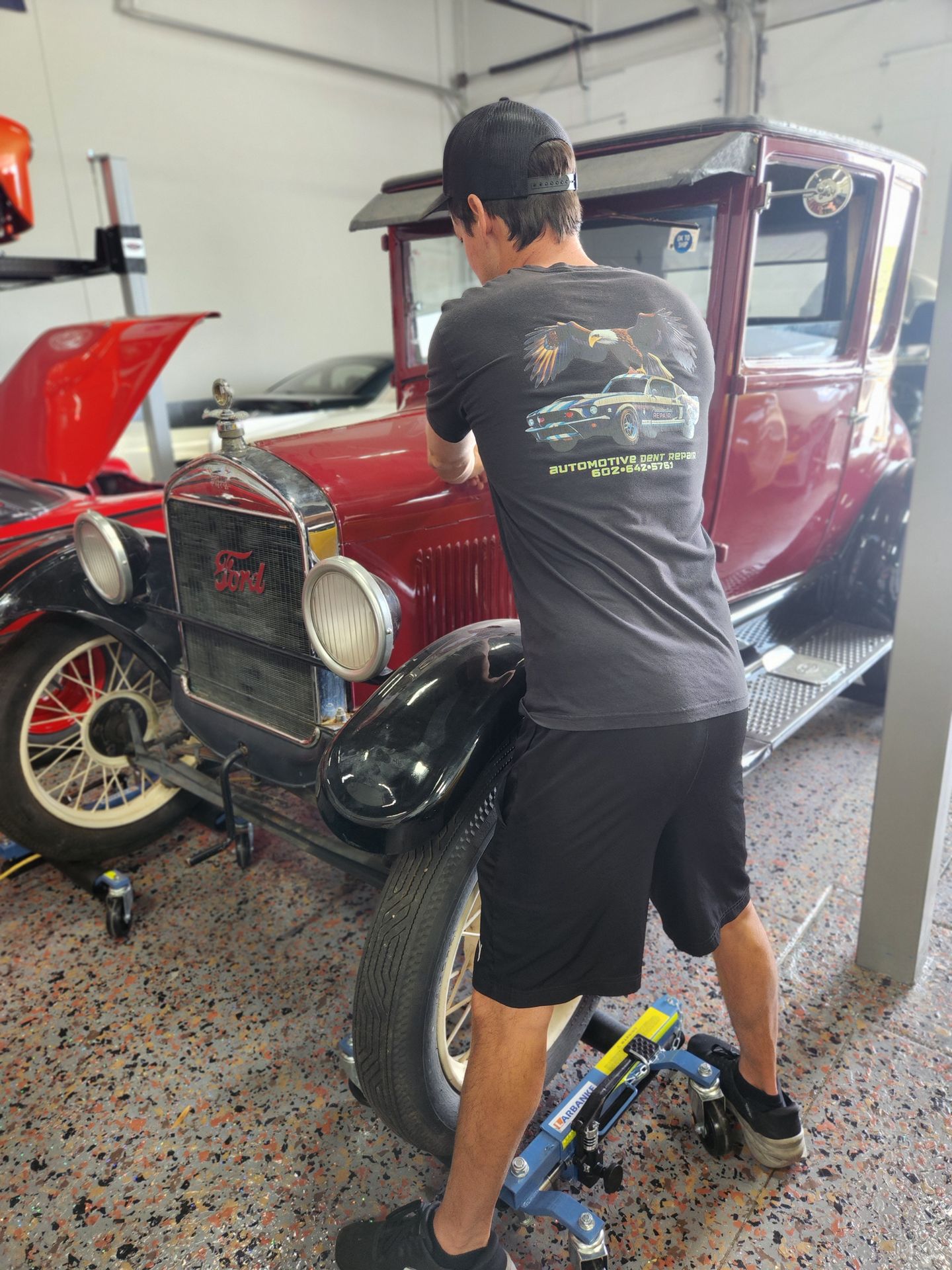
Dispelling More Myths
Myth 5: Paintless Dent Repair Is Not Suitable for Older Vehicles
Not true.
Paintless dent repair can absolutely be a great option for older vehicles, and in some cases, preserving the original finish on an older vehicle is even more important.
The age of the vehicle alone doesn’t determine whether PDR is a good fit.
What matters more is:
- The condition of the paint
- Whether the panel has been repaired or repainted before
- The location and severity of the damage
- The type of metal involved
- How accessible the damaged area is
An older vehicle with solid original paint may be an excellent candidate for paintless dent repair.
That said, older vehicles can sometimes carry a little more risk. Paint may be more brittle after years of sun exposure, previous repairs may affect how the panel responds, and not every older dent behaves predictably.
That’s why proper evaluation matters.
The goal isn’t to decide based on model year. It’s to determine whether the damage is a good candidate for preserving the vehicle’s original finish.
Conclusion
Paintless dent repair isn’t magic, and it’s definitely not the right solution for every dent.
But when the damage qualifies, it can be one of the smartest ways to restore your vehicle while preserving its original paint, minimizing downtime, and often saving money compared to traditional repairs.
The biggest misconception is that dents are simple.
They’re not.
Every dent tells a different story. Some are straightforward. Some are wildly deceptive. A tiny dent in the wrong spot can be far more challenging than something much larger.
That’s why there’s no universal pricing chart or one-size-fits-all answer.
If you’re wondering whether your dent is a candidate for paintless dent repair, the best first step is simple: send clear photos and let an experienced technician evaluate it.